Visitors to Hawaii Volcanoes National Park have the opportunity to experience firsthand just how powerful and awe-inspiring our planet can be. The park gives travelers the chance to get up close and personal with Kīlauea and Mauna Loa, two of the most active volcanoes in the world. These fearsome peaks continue to shake, rumble, and spew ash and lava in an impressive display of how Pacific islands form and grow.
Spread out across 344,000 acres, the park’s boundaries stretch from the black-sand beaches of the island of Hawaii up to 13,680 feet above sea level. This makes it an environment that is unlike any other on Earth, which is why it draws more than a million visitors on an annual basis. It is also why it should be on your must-visit list when visiting the 50th state.
Why Visit Hawaii Volcanoes National Park in an RV
Photo Credit: Vito Palmisano/Getty
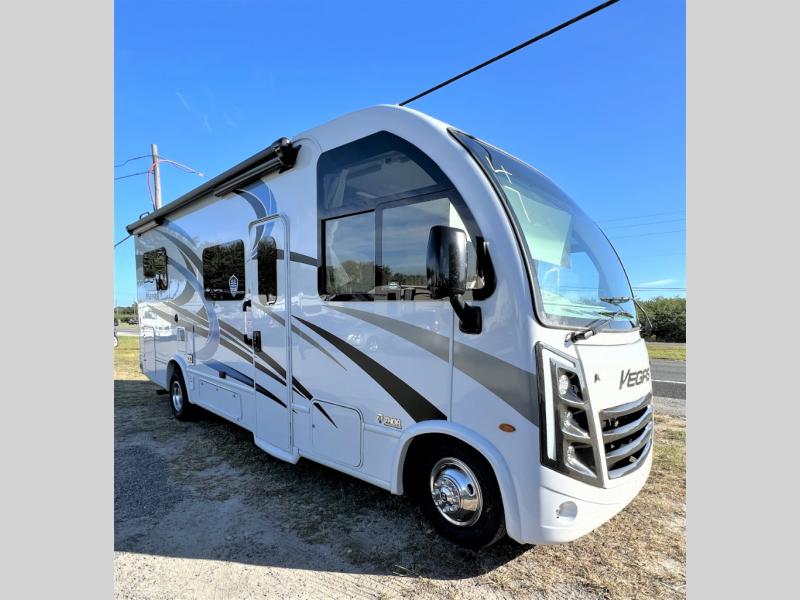
The roads inside Hawaii Volcanoes National Park can be narrow and twisting, which doesn’t make it very RV-friendly at times. That said, the park is very accessible to a Class B camper van, which can serve as an excellent base camp while exploring the landscapes there. This is especially true if you want to reach some of the more remote areas where you can get up close to flowing lava.
Unless you live on the island of Hawaii, you probably won’t be bringing your own RV along for the trip. Instead, you can explore options for renting one locally. This can be a fun and rewarding way to explore the region, including areas beyond the park itself.
When to Visit Hawaii Volcanoes National Park
Photo Credit: NPS by J. Wei
The park is open year-round, but occasionally some sections are closed due to volcanic activity. Before setting out for a visit, it is always a good idea to check the National Park Service website for updates. Additionally, the weather conditions within the park can vary greatly based on location. It is not uncommon for it to be hot and sunny at sea level and chilly and blustery at higher elevations. Mists often form above 4000 feet and temperatures at the summit of Kīlauea can be 12 to 15 degrees cooler than at the base. Bring a jacket and be prepared for wind and rain.